
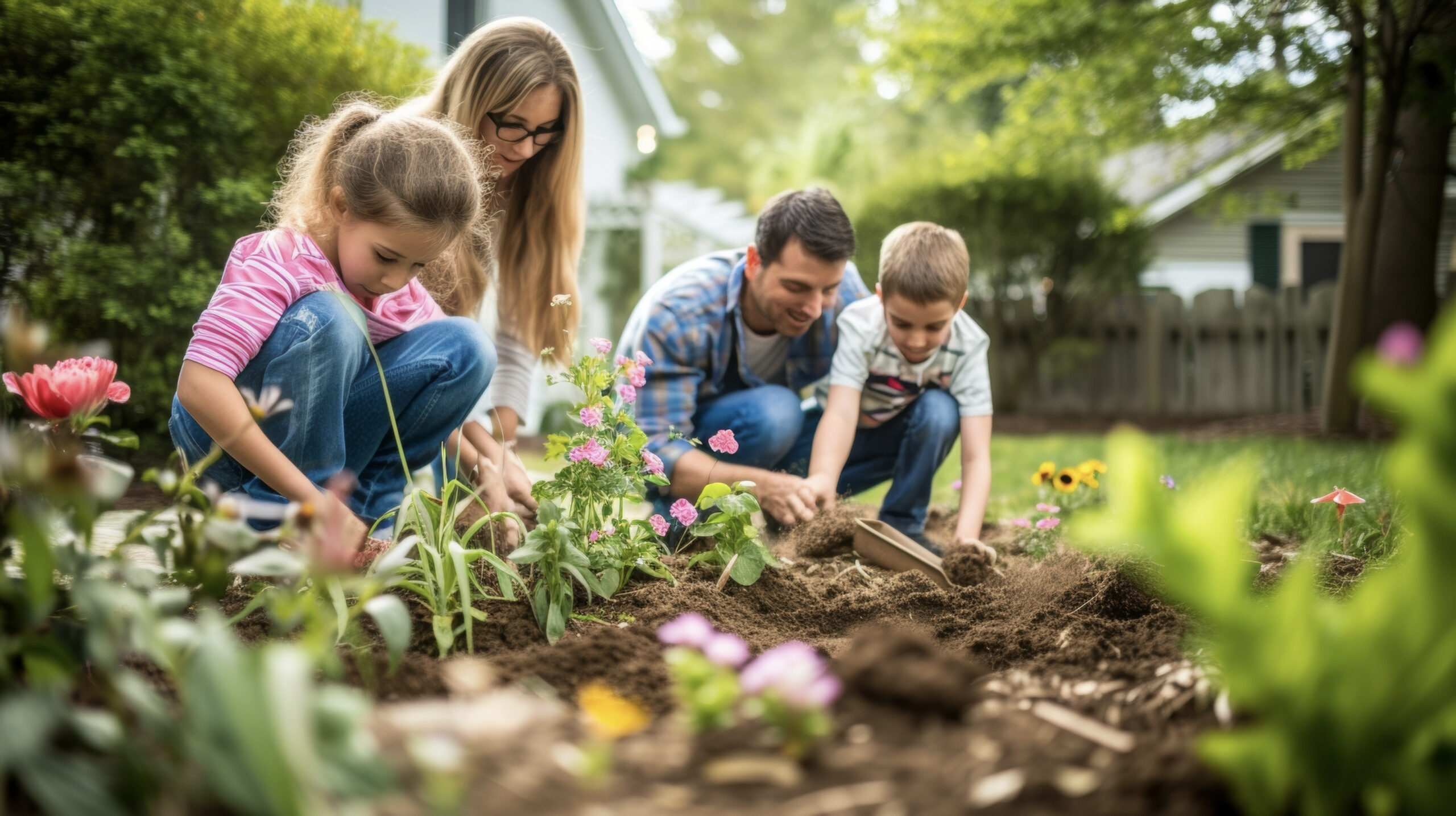
Have you ever dreamed of stepping out your back door and harvesting dinner from your own garden? At FamiLee Fields, we believe that growing your own food — even just a little — can be one of the most rewarding ways to connect with nature, your health, and your community. You don’t need acres of farmland or years of experience to grow something nourishing and delicious. All you need is a bit of space, a few tools, and a willingness to get your hands dirty.
In this guide, we’ll walk you through the basics of backyard gardening. Whether you’re starting with a few pots on a patio or carving out your first raised bed, these tips will help you grow with confidence and joy.
Step 1: Start Small and Grow What You Love
One of the biggest mistakes new gardeners make is trying to grow too much, too fast. Instead, focus on a few crops you and your family love to eat. A small, thriving garden is better than a large, overwhelming one.
Good Starter Crops for Beginners:
- Leafy greens (lettuce, spinach, kale): fast-growing and forgiving.
- Tomatoes: especially cherry varieties, which are prolific and tasty.
- Radishes: super quick to harvest (about 30 days).
- Zucchini: one plant produces a lot.
- Herbs: basil, thyme, mint, and chives are great for small spaces.
If you’re growing with kids, choose fast growers like peas or radishes so they can see progress quickly. Involve them in planting seeds, watering, and harvesting — it’s a fun way to teach responsibility, patience, and a love of nature. Even picky eaters are more likely to try a vegetable they helped grow!
Step 2: Know Your Space and Sunlight
Plants need at least 6–8 hours of sunlight a day to thrive. Before planting, observe your space to see how much sun it receives. South-facing spots usually get the most light.
Don’t have a yard? No problem. Many vegetables and herbs can be grown in containers on balconies, porches, or sunny windowsills.
Container Gardening Tips:
- Use food-safe containers with drainage holes.
- Choose compact or dwarf varieties.
- Water more often — containers dry out faster.
Step 3: Build Healthy Soil
Healthy soil is the foundation of a successful garden. It holds nutrients, supports beneficial microbes, and helps retain moisture.
Tips for Building Great Soil:
- Use compost (homemade or store-bought) to enrich your beds.
- Avoid synthetic fertilizers, which can degrade soil over time.
- Mulch around your plants with straw or leaves to reduce weeds and lock in moisture.
At FamiLee Fields, we compost animal bedding, plant trimmings, and kitchen scraps to keep our soil thriving — and you can do the same at home!
Step 4: Water Wisely
Plants like consistency. Too much or too little water can stress them out. In general, aim for deep, infrequent watering rather than light daily sprinkles.
Quick Tips:
- Water early in the morning or late in the afternoon to reduce evaporation.
- Use a soaker hose or drip irrigation for efficiency.
- Stick your finger in the soil — if it feels dry an inch down, it’s time to water.
Step 5: Feed and Support Your Plants
Just like us, plants need food and structure as they grow. Compost tea, fish emulsion, or organic all-purpose fertilizers can give your plants a boost.
Some plants need support:
- Tomatoes and beans do best with cages or trellises.
- Peas and cucumbers appreciate vertical space.
Supporting your plants not only helps them grow upright but also improves airflow and reduces disease.
Step 6: Keep Pests in Check (Naturally)
It’s normal to see a few bugs in your garden — that’s part of a healthy ecosystem. But if they’re eating more than their share, it’s time to step in.
Natural Pest Control Ideas:
- Plant marigolds to deter aphids and nematodes.
- Use neem oil or insecticidal soap on infestations.
- Attract ladybugs, lacewings, and birds to keep pests in balance.
At FamiLee Fields, we rely on our feathered pest control team (ducks and chickens) to keep our fields balanced. You can mimic this balance in your backyard by creating a welcoming space for beneficial predators.
Step 7: Harvest Often and Keep It Fun
Harvesting regularly encourages plants to keep producing. Pick leafy greens when they’re young and tender, tomatoes when they turn color, and squash when they’re small and flavorful.
Gardening isn’t just about food — it’s about joy, connection, and wonder. Share it with your kids, your neighbors, or just enjoy the quiet moments yourself. Let children help decide what to grow, decorate plant markers, or run out in the morning to check on their “garden jobs.”
Gardening as a family builds memories, nurtures curiosity, and makes the food you grow taste even better.
What FamiLee Fields Offers
Looking for inspiration or education? When you visit our farm, you can:
- See our companion planting, composting, and pasture systems in action.
- Ask real-time questions and learn from lived experience.
- Pick up healthy starter plants or bulk produce to try growing at home.
And as we grow, we plan to offer seasonal workshops and garden-starting kits for families who want to bring the FamiLee spirit into their own yards.
Conclusion: Grow What Grounds You
Backyard gardening is more than a hobby. It’s a quiet revolution — a return to seasonal living, self-reliance, and the simple magic of watching something grow.
Whether you’re harvesting your first cherry tomato or dreaming of a full backyard harvest, FamiLee Fields is here to support your journey. We believe that when more families grow a little food at home, everyone eats a little better.
So grab a shovel, start with something simple, and remember: the best fertilizer is the gardener’s shadow. Happy growing!