
At FamiLee Fields, we don’t just grow food — we grow soil, life, and legacy. When we moved from city life to countryside living, we weren’t looking for a trend. We were searching for a better way to live and farm. What we found was regenerative agriculture: a way of working with nature that leaves our land better than we found it. If you’re new to the term or wondering what sets it apart from organic or sustainable farming, you’re in the right place.
What is Regenerative Agriculture?
Regenerative agriculture is a philosophy and a set of practices aimed at rebuilding soil health, enhancing biodiversity, improving the water cycle, and increasing resilience to climate extremes. Unlike conventional methods, which extract value from the land, regenerative agriculture gives back. It’s a proactive, systems-based approach that sees the farm not as a machine, but as a living organism.
Instead of asking, “How much can we take?” we ask, “How much can we restore?”
Key Principles We Follow at FamiLee Fields
1. Minimal Soil Disturbance
Healthy soil is alive with billions of microorganisms. Tilling breaks up that web of life and disrupts essential biological processes. By avoiding heavy tillage and using low-impact tools (or even better, letting our chickens do the work!), we protect soil structure and allow beneficial microbes to thrive. This leads to healthier plants and better water retention.
2. Cover Cropping
Instead of leaving soil bare between plantings — which leads to erosion and nutrient loss — we grow cover crops like clover, rye, and legumes. These plants protect the soil surface, feed the microbial life below, and even fix nitrogen naturally. It’s like feeding your farm a multivitamin during the off-season.
3. Diverse Planting
In nature, monocultures don’t exist. By planting a variety of crops side by side, we encourage beneficial insects, reduce disease pressure, and avoid depleting the same nutrients year after year. Diversity above ground leads to diversity below — and that means more resilient, flavorful, and nutrient-dense produce.
4. Animal Integration
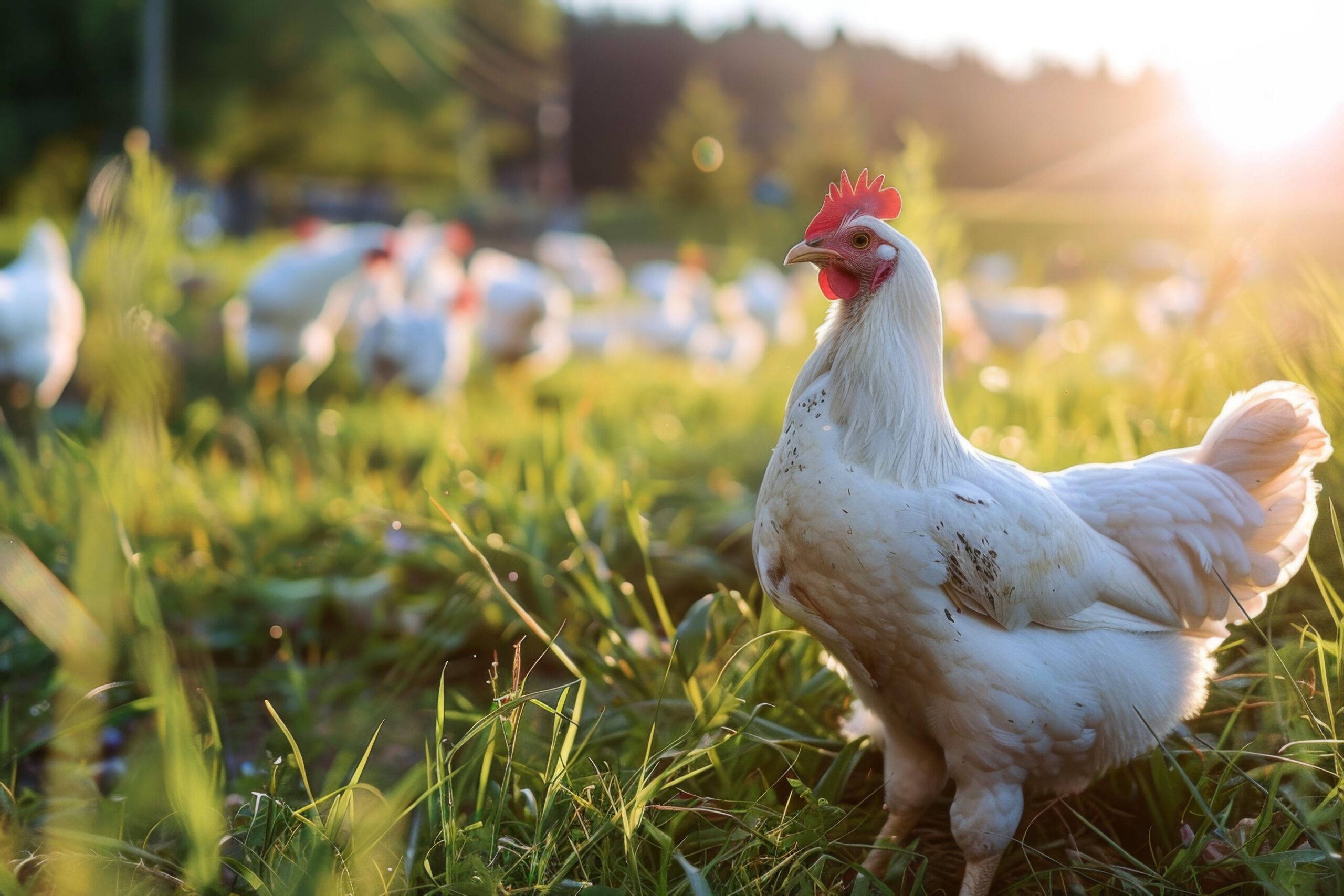
Our animals aren’t just adorable (though they definitely are). They play active roles in our farming system. Our chickens scratch and fertilize, our goats browse invasive species, and our Kunekune pigs graze without destroying root systems. Bees pollinate and balance the system. This is not just about productivity — it’s about closing loops, reducing waste, and mimicking nature’s rhythms.
5. Rotational Grazing
Unlike traditional grazing, which can strip the land, rotational grazing gives pastures time to rest and regenerate. We move animals frequently to new paddocks, allowing grasses to regrow and roots to deepen. This method boosts plant biomass, builds topsoil, and prevents the overconcentration of manure in any one spot.
6. Composting and Natural Inputs
Waste becomes wealth through composting. We compost animal bedding, food scraps, and plant waste to create rich humus that feeds our soil without synthetic fertilizers. It’s slower, yes — but it’s real fertility, not a quick fix. Compost helps us retain moisture, balance pH, and feed crops with complete nutrition.
Why It Matters
Regenerative farming isn’t just good for the planet — it’s good for people. Healthier soils grow healthier crops, which means more nutrient-dense food for your family. It also means cleaner waterways, increased carbon sequestration, and farmland that can withstand floods, droughts, and disease.
At FamiLee Fields, we see our soil as a living bank account. Every decision we make — every crop rotation, every compost pile, every grazing plan — is a deposit into future fertility. And guess what? The food tastes better because it’s grown in soil that’s alive.
Regenerative vs. Organic vs. Sustainable: What’s the Difference
- Organic: Avoids synthetic inputs but may still rely on tilling and monocrops.
- Sustainable: Maintains current resources without necessarily improving them.
- Regenerative: Actively restores soil health, builds ecosystems, and improves farm function over time.
We often say: “Organic is a good starting point — regenerative is where the real magic happens.”
How You Support Regeneration
Every tomato you pick or carton of eggs you bring home helps us grow this mission. You’re not just buying food — you’re voting for healthy soil, animal welfare, and a more connected way of life. You help keep small farms alive and ecosystems thriving.
Want to Learn More?
Education is a cornerstone of our farm. Whether it’s a hands-on workshop, a farm tour, or a story shared over a basket of greens, we love helping others understand the magic of this approach. Our blog is full of helpful reads, and our gates are open for those who want to learn by doing.
Regenerative agriculture isn’t a product — it’s a promise. A promise to do right by the earth, by our animals, and by the people we feed. It’s slower, more intentional, and a whole lot more rewarding.
At FamiLee Fields, we’re proud to be part of a growing movement that’s rooted in care and committed to change. Come walk our fields, meet our animals, and see what happens when farming and nature work together.